
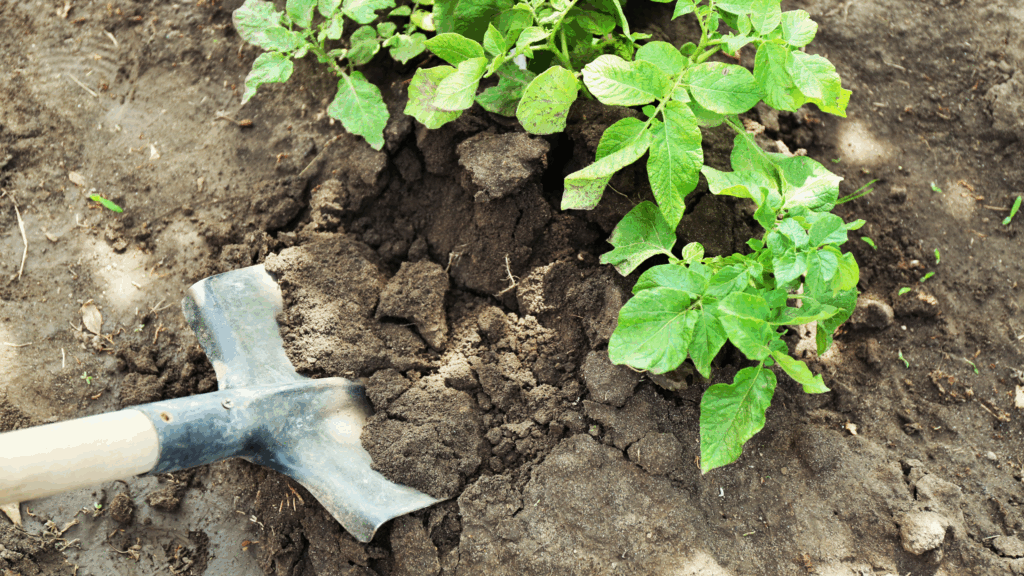
June is an important month for Canadian gardeners. The risk of frost has passed in most regions, and gardens begin to start growing fast—sometimes a little too fast! This is the time to nurture, tidy, and prepare your garden for the hot summer months ahead.
Whether you’re gardening in British Columbia’s coastal climate, the Prairies’ dry heat, or the cooler Atlantic provinces, there are essential tasks every gardener should tick off their list this month. Here’s your June garden checklist to keep your garden healthy, beautiful, and productive.
1. Weeding: Stay Ahead of the Invasion
By June, weeds are growing vigorously. If left unchecked, they’ll compete with your vegetables and flowers for nutrients, light, and water.
Tips:
- Weed early and often—I like to weed after it has rained, when the soil is loose.
- Use mulch to suppress weed growth (more on that below).
- Hand-pull or use a hori hori knife for shallow-rooted weeds; dig deeper for perennials like dandelions or thistles.
Regional Note:
- In the Prairies and Central Canada, drier weather can make weeding harder—consider watering briefly before you weed to soften the soil.
- In BC, weed growth may be more aggressive due to moist conditions—stay on top of it!
2. Watering: Keep It Consistent
With longer days and rising temperatures, consistent watering becomes critical—especially for new transplants and container plants.
Tips:
- Water deeply and early in the day to reduce evaporation and prevent fungal diseases.
- Aim for 1–1.5 inches of water per week, including rainfall.
- Water at the base of the plant to avoid wet foliage. This helps with preventing fungal and bacterial diseases – which thrive in moist conditions. Wet leaves are also more prone to sun scalding and leaf burn.
Regional Note:
- West Coast: Still experiencing some rain? Reduce watering to avoid root rot.
- Prairies and Ontario: Prepare for potential drought—use soaker hoses or drip irrigation to conserve water.
3. Fertilizing: Feed Your Growing Garden
By June, many plants are entering a phase of rapid growth. It’s time to give them the nutrients they need to thrive.
Tips:
- Whip up some compost tea or use worm castings to fertilize plants organically.
- Feed tomatoes and heavy feeders (like squash or corn) every 2–3 weeks.
Regional Note:
- Interior and Prairie regions: Warm soil helps fertilizer break down faster—don’t overdo it!
- Atlantic Canada and BC: Cool, wet conditions may delay nutrient uptake—liquid fertilizers can give a faster boost.
4. Mulching: Retain Moisture and Suppress Weeds
A fresh layer of mulch is one of the best things you can do for your garden in June.
Tips:
- Apply 2–3 inches of organic mulch (like straw or wood chips) around plants.
- Keep mulch a few inches away from stems to prevent rot.
- In vegetable beds, straw or shredded leaves are excellent options.
Regional Note:
- Humid regions: Choose mulch that breaks down more slowly and helps improve soil structure.
- Drier regions (like Alberta or Saskatchewan): Mulch is essential for water conservation.
5. Deadheading and Pruning
Keep your flowers blooming and your shrubs in shape.
Tips:
- Deadhead annuals and perennials like petunias, salvia, and peonies to encourage more blooms.
- Prune spring-flowering shrubs like lilacs after they finish blooming.
- Thin fruit trees if they’re overloaded to encourage larger fruit and reduce branch stress.
Regional Note:
- Southern Ontario and BC: Go ahead with a full deadheading and shaping routine.
- Northern gardeners (zones 3–4): Some perennials may just be hitting their stride—prune lightly.
Northern gardeners (zones 3–4): Some perennials may just be hitting their stride—prune lightly.
6. Pest and Disease Patrol
June is prime time for aphids, slugs, and fungal diseases.
Tips:
- Inspect plants weekly for signs of pests: chewed leaves, curling foliage, or sticky residue.
- Balance your garden ecosystem using companion plants such as herbs, marigolds and alliums to deter plant predators.
- Control slugs with diatomaceous earth or beer traps.
- Improve air circulation to prevent powdery mildew and blight.
Regional Note:
- Prairies: Watch for flea beetles and cutworms in vegetable gardens.
- BC: Humidity makes fungal issues more common—prune and space plants well.
7. Sow More Seeds for a Succession Harvest
June is still a great time to plant fast-growing vegetables and flowers.
Vegetables to Sow Now:
- Beans, carrots, beets, lettuce, spinach, radishes, chard
- Succession sow every 2–3 weeks for continuous harvest
Flowers to Sow:
- Sunflowers, nasturtiums, zinnias, cosmos
Regional Note:
- Milder zones: Consider direct sowing summer annuals for extended blooms.
- Cooler zones (like zone 3 or 4): Stick to faster-maturing varieties.
8. Prepare for Heat Waves
With summer heat around the corner, take steps now to protect your plants.
Tips:
- Water in the early morning or late evening to reduce evaporation.
- Use shade cloth or floating row covers for sensitive crops like lettuce, spinach and peas, as well as cilantro.
- Group containers to create a more humid microclimate.
Final Thoughts
June is when the garden really begins to come to life across Canada. With longer days and warmer temperatures, your plants will grow rapidly—and so will the weeds, pests, and potential problems.
By following this practical checklist, you’ll keep your garden healthy, productive, and bountiful all summer long.