
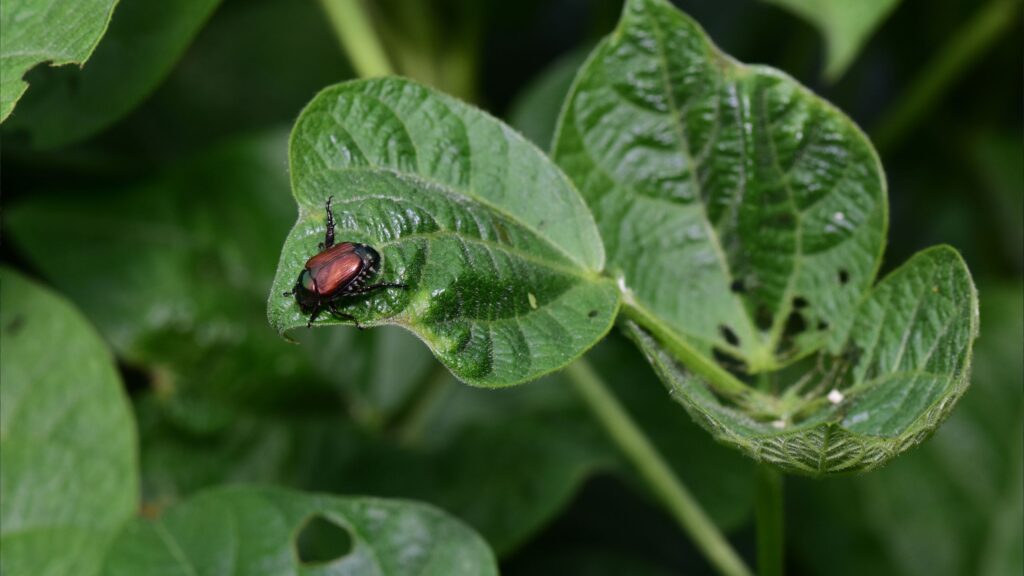
As gardens across Canada enter full swing, common pests like aphids, slugs, flea beetles, and cutworms also begin to thrive. Whether you’re growing vegetables, herbs, or ornamental flowers, these uninvited guests can quickly undo all your hard work. By learning to spot problems early and apply effective solutions, you can protect your garden all summer long.
Common Garden Pests (Canada-Wide)
1. Aphids
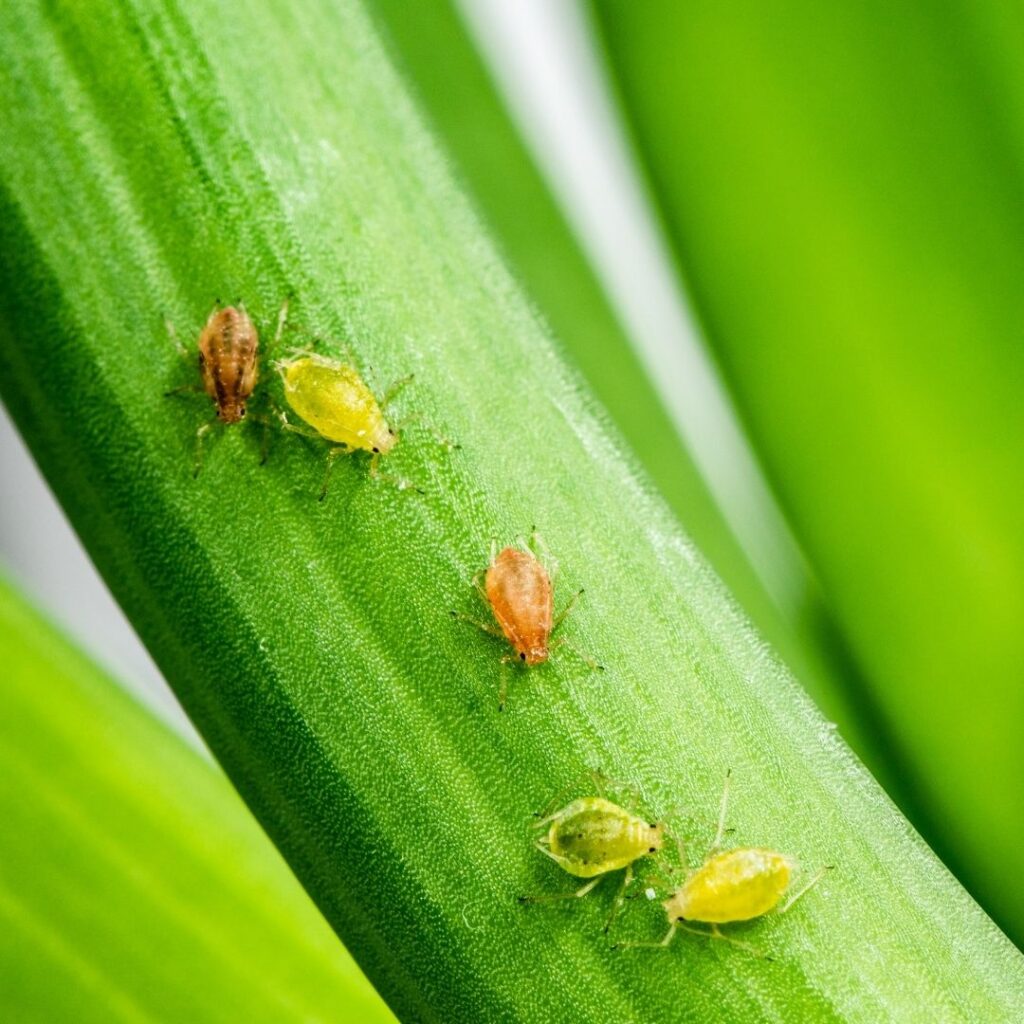
Tiny, soft-bodied insects that suck sap from tender stems and leaves, often leaving behind a sticky residue called honeydew (which can attract ants and lead to sooty mold).
- Signs: Curling or yellowing leaves, stunted growth, ants on plants
- Where: Found across all Canadian regions on vegetables, flowers, fruit trees, and shrubs
Organic Control:
- Spray with insecticidal soap or a mix of water and mild dish soap (1 tsp per litre)
- Attract more ladybugs (natural predators) to your garden by planting marigolds, dill, cilantro, calendula and yarrow
- Remove with a strong jet of water
2. Slugs and Snails
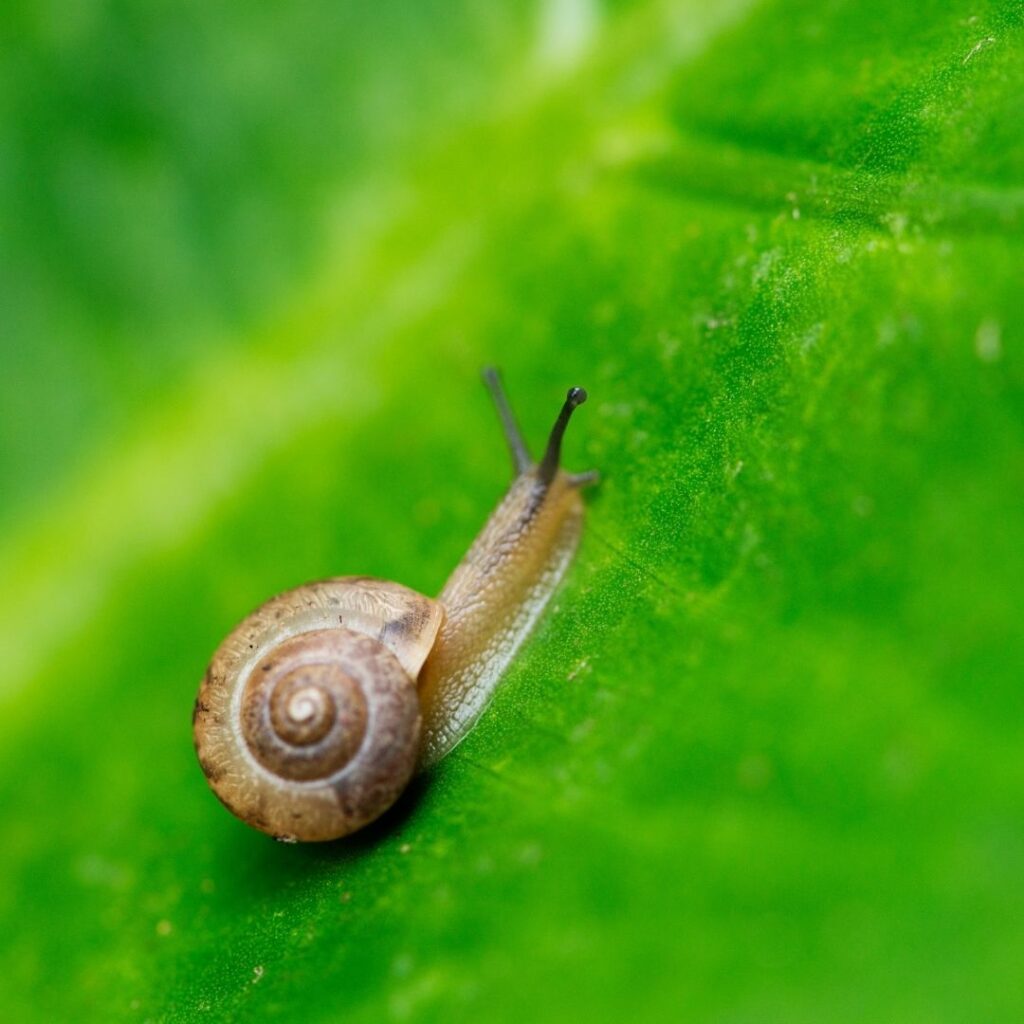
These slimy pests come out at night to feast on seedlings, leafy greens, and flowers.
- Signs: Irregular holes in leaves, slime trails, shredded seedlings
- Where: Common in coastal BC, humid Eastern provinces, and shady garden beds
Organic Control:
- Set beer traps (sink shallow dishes filled with beer into soil)
- Sprinkle diatomaceous earth or crushed eggshells around plants
- Remove by hand in the evening or early morning
3. Flea Beetles
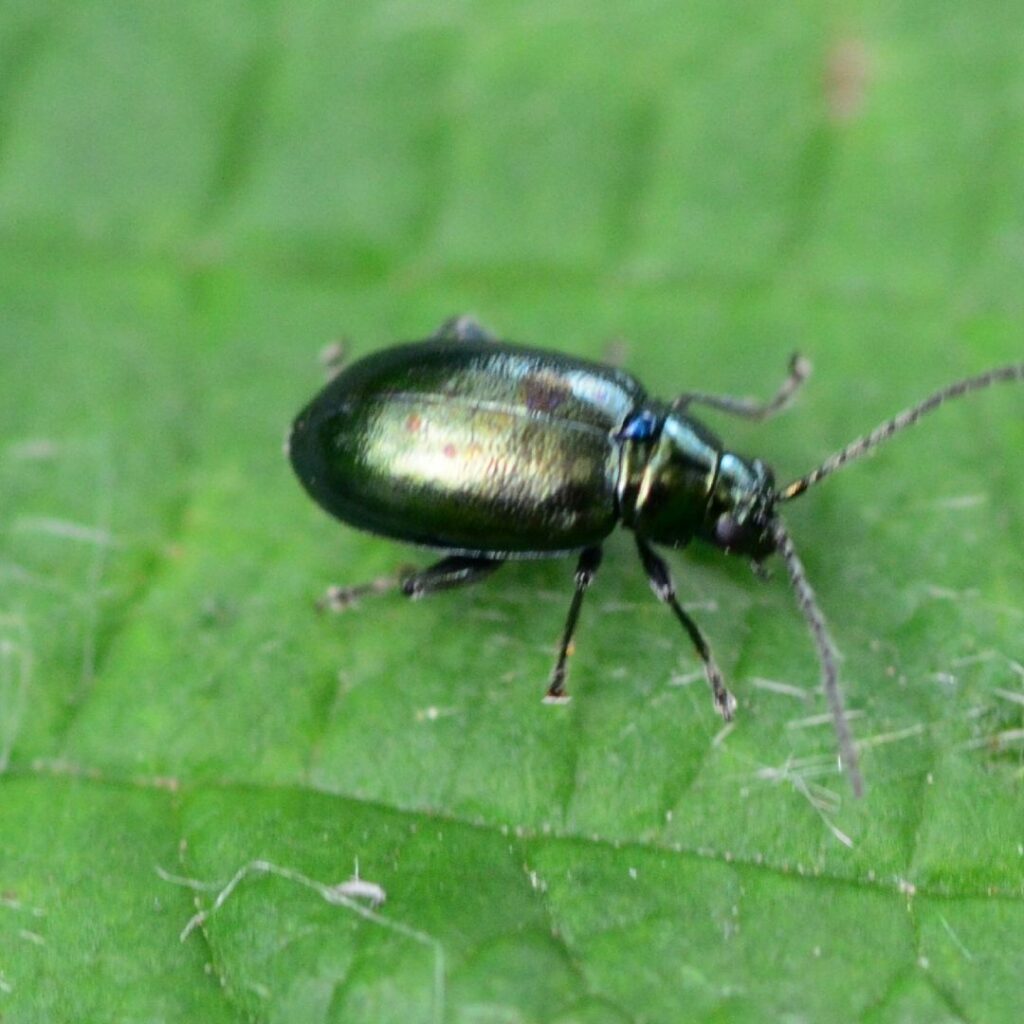
Tiny, fast-moving black or bronze beetles that chew small holes in leaves, especially young vegetable crops like arugula, radishes, and brassicas.
- Signs: “Shotgun” hole patterns in leaves
- Where: Especially common in the Prairies and Central Canada
Organic Control:
- Use floating row covers to protect seedlings
- Apply neem oil or insecticidal soap
- Plant trap crops like mustard greens nearby
4. Cutworms
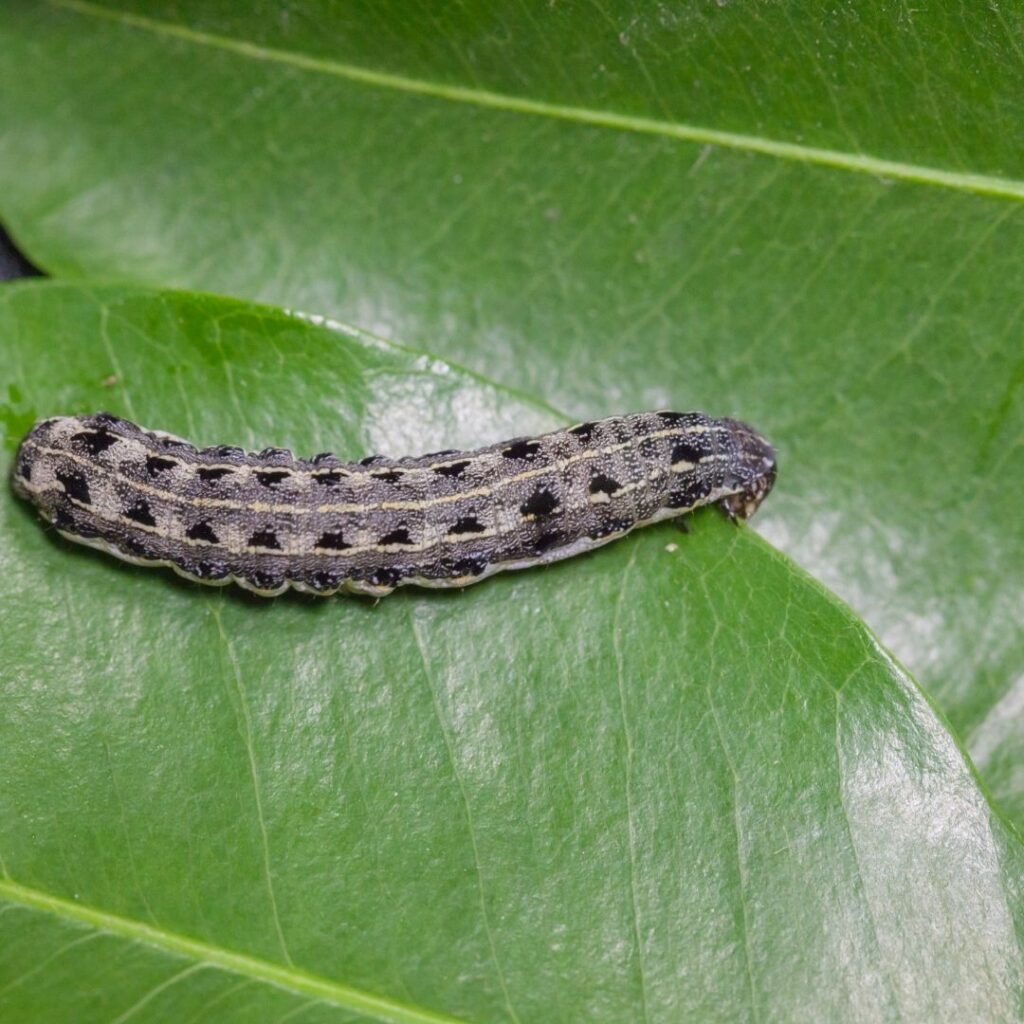
These are night-feeding caterpillars that chew through young plant stems at or just below the soil surface.
- Signs: Seedlings severed at the base, usually overnight
- Where: Found in garden beds across Canada, particularly in freshly turned soil
Organic Control:
- Place collars (toilet paper rolls or cardboard) around seedlings
- Handpick at dusk when they emerge
- Sprinkle crushed eggshells or cornmeal around stems
5. Cabbage Worms & Loopers
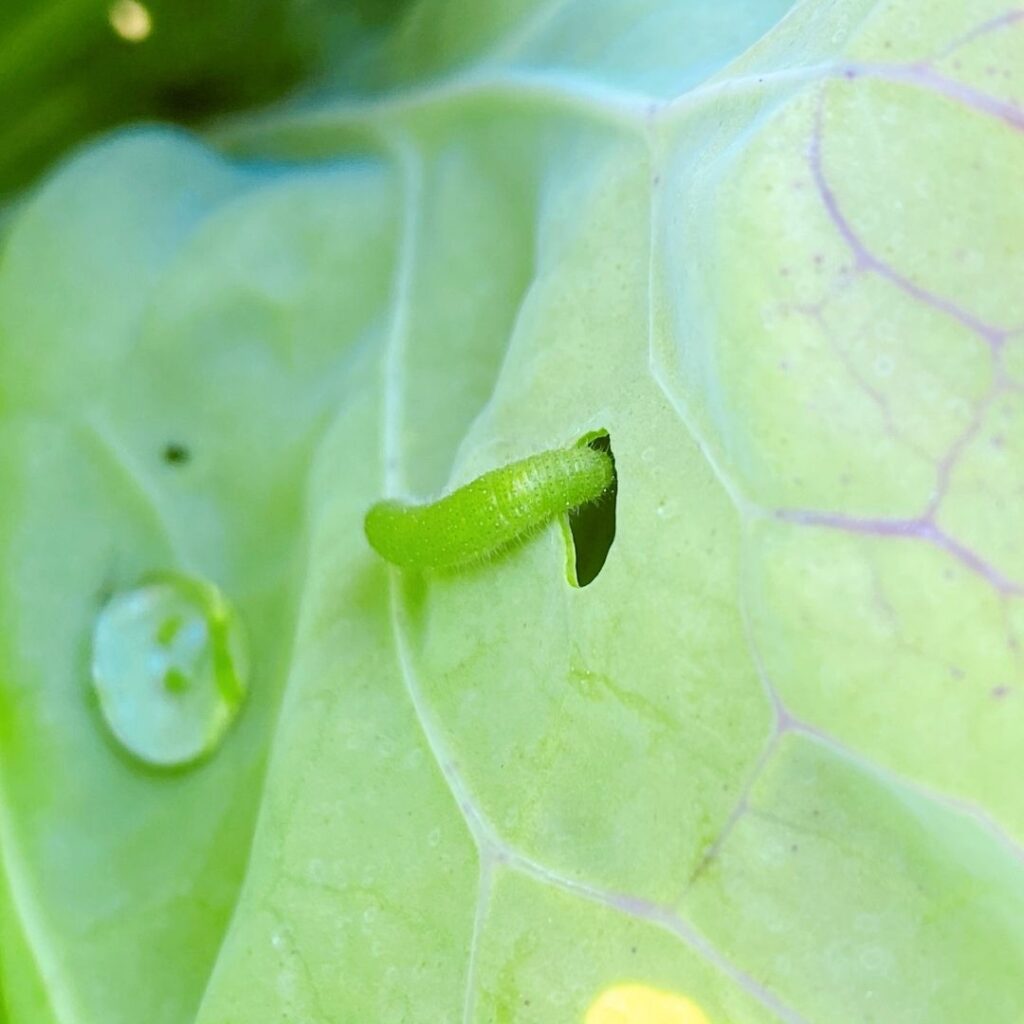
Green caterpillars that chew large holes in cabbage, broccoli, kale, and related crops.
- Signs: Chewed leaves, green droppings on plants
- Where: Common in Southern Ontario, Quebec, and BC
Organic Control:
- Use floating row covers to block butterflies from laying eggs
- Handpick caterpillars
- Spray with Bacillus thuringiensis (Bt) — a natural bacterial pesticide safe for humans and pets
6. Japanese Beetles
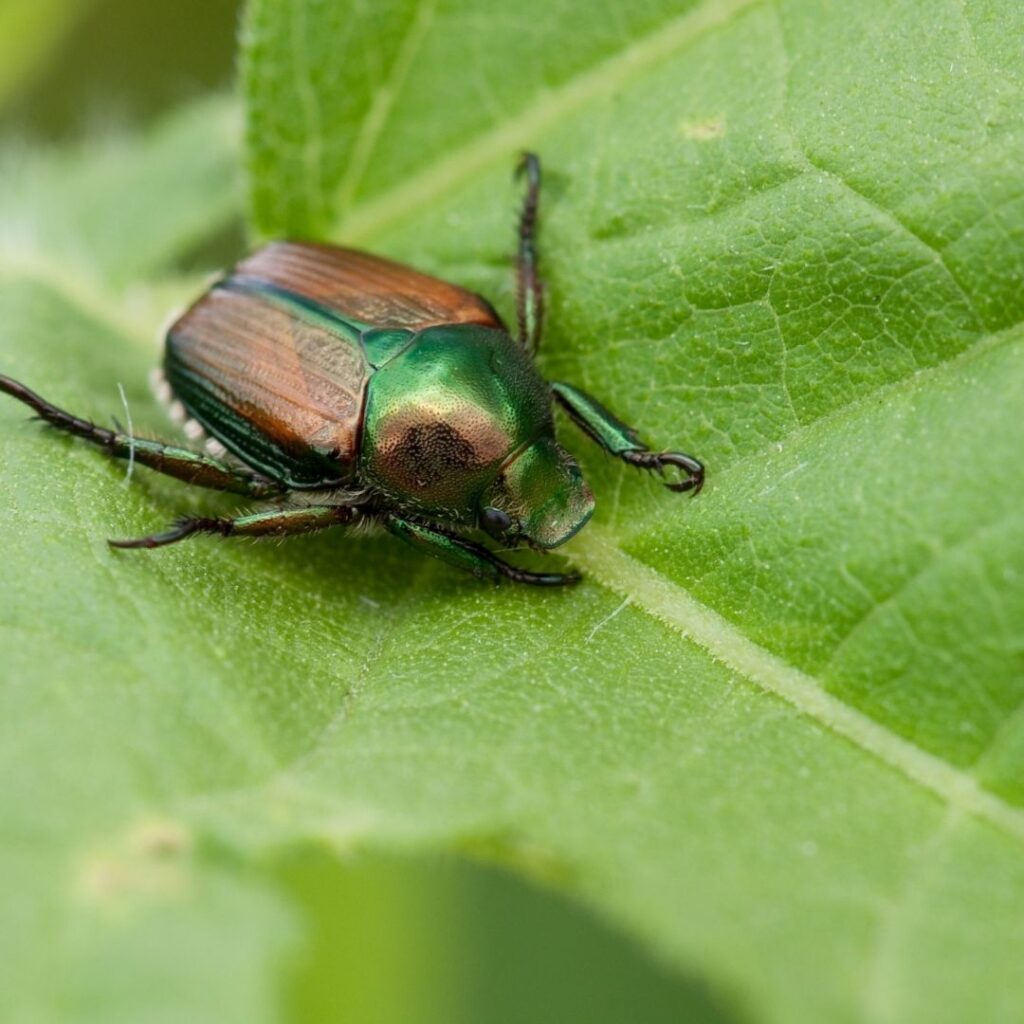
Small, metallic green and bronze winged insects that are notorious for their plant-eating habits.
- Signs: skeletonize leaves, leaving only the veins behind.
- Where: Common in Southern Ontario, Quebec, and found in parts of Nova Scotia and New Brunswick
Organic Control:
- Use floating row covers to block beetles from laying eggs and feeding
- Handpick them in the early morning when they are sluggish
- Apply neem oil which acts as a repellant and disrupts their life cycle.
Prevention Tips for All Gardens
Preventing pests is just as important as treating them. Follow these best practices to keep your garden strong and resilient all season long:
1. Healthy Soil = Healthy Plants
- Use compost and mulch to build soil structure and retain moisture.
- Healthy plants are more resistant to pests and recover more quickly from damage.
2. Rotate Crops
- Don’t plant the same vegetables in the same spot year after year. Crop rotation helps break pest cycles.
3. Practice Companion Planting
- Some plants naturally repel pests. Try interplanting:
- Basil with tomatoes (repels aphids)
- Marigolds around the garden (repels nematodes, whiteflies)
- Nasturtiums near beans and squash (traps aphids)
4. Encourage Natural Predators
- Ladybugs, birds, ground beetles, and parasitic wasps are your allies.
- Add birdhouses, flowering plants, and diverse foliage to support them.
5. Avoid Overwatering and Overcrowding
- Moist environments attract slugs and fungi.
- Give plants room to breathe to reduce hiding spots for pests.
Final Thoughts
Dealing with pests is a normal part of gardening—but early action makes all the difference. By monitoring your garden weekly and combining smart prevention with targeted treatments, you can stay ahead of the invaders and enjoy healthy plants all season long. I recommend keeping a garden journal to note when and where pests appear. These patterns can help you plan ahead for your next season!